
|
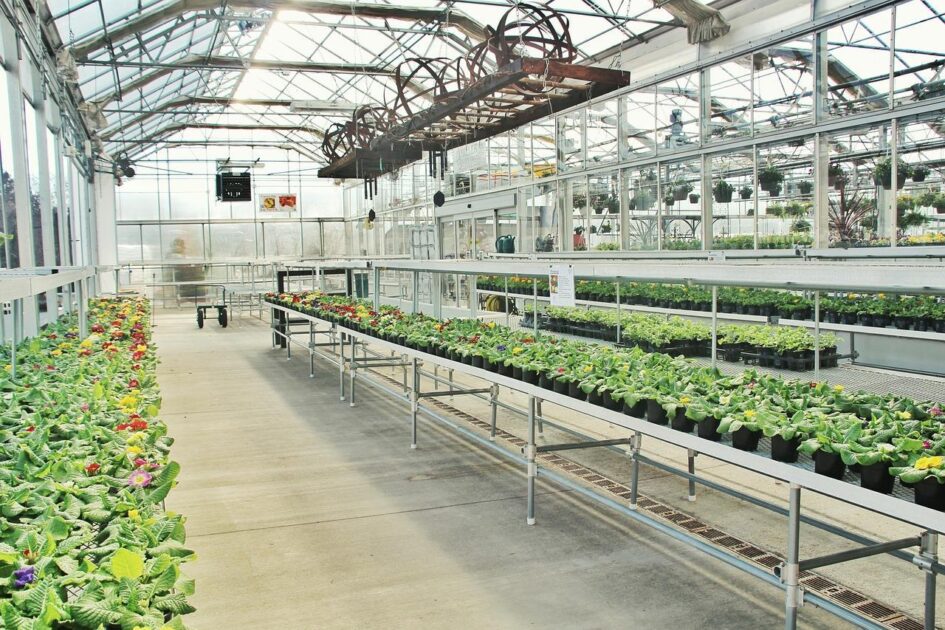
Garden retail customers often browse before they visit a store. They compare availability, dimensions, care information, photographs and delivery options across several websites. When those details are incomplete or inconsistent, even a strong assortment becomes harder to understand. A useful product page starts with structured, dependable plant data that connects the image, description and practical buying information. Make every product page answer real questionsA customer looking at a garden product wants to know what it is, how it is supplied and whether it fits the intended space or project. For plants, that can include the supplied pot size, approximate dimensions, growth characteristics, preferred position, flowering period, care requirements and seasonal availability. Not every field applies to every item, but a consistent template helps teams provide the details that matter. Clarity is especially valuable on mobile. Short summaries, scannable specifications and useful photographs let a shopper make an initial assessment without reading a wall of copy. More detailed guidance can sit below the key facts for people who want to compare options carefully. The aim is not to add more text indiscriminately; it is to make the right information easy to find. Build a reliable source for product informationMany retailers collect product details from growers, suppliers, spreadsheets and internal systems. If each channel stores a different version, small discrepancies multiply: an old size remains on one page, a photograph is missing from another, or a care description is copied into the wrong category. A shared product-data process gives teams one reviewed source and a clear way to update it. Start by agreeing on field names, units, accepted values and ownership. Decide who verifies supplier information, who approves customer-facing wording and how seasonal changes are recorded. Keep the original source and update date where practical. These simple rules reduce repeated clarification and make it easier to spot incomplete records before they reach a storefront. Structured plant data also supports reuse. The same approved information can feed a web catalogue, a product filter, a printed label or a staff reference, while each channel presents it in the format its audience needs. OpenPlantData describes ways to organize plant data for e-commerce so that online product information can be managed more consistently. Connect photographs with the right recordImages influence discovery and confidence, but only when customers can trust what they show. A photograph should be attached to the correct product record, named consistently and reviewed for clarity and relevance. Where products vary by size, season or presentation, the image selection should explain that variation rather than imply a guarantee about an exact specimen. A lightweight image standard helps teams work together: define preferred dimensions, minimum quality, file naming, image rights and the fields that connect each asset to a product. Include useful alternate views when they answer a practical question. Good image management prevents attractive photographs from becoming detached from the data that makes them useful. Support search and comparisonConsistent attributes make it easier to create filters that reflect how people shop. Customers might narrow a catalogue by use, position, dimensions, season or maintenance level. Filters work only when values are entered predictably; a dozen variations of the same phrase can fragment results and hide relevant products. Review search terms and customer questions regularly. If people repeatedly ask about delivery format, mature dimensions or suitable placement, consider whether that information belongs in the product record. This turns customer service feedback into a practical content improvement rather than a one-off answer. Keep seasonal updates manageableGarden assortments change through the year, so product content needs a review rhythm. Assign owners to availability, images and seasonal descriptions, and flag records that need confirmation. A simple checklist before a campaign can catch stale content before it is promoted. After the season, retain useful data while clearly marking products that are temporarily unavailable. Good governance need not slow a busy team. A short set of shared rules, clear responsibilities and an easy review queue can prevent last-minute editing and reduce duplicate work. Measure progress through practical signals such as fewer missing images, fewer corrections and more complete product records. ConclusionBetter garden retail product pages are built from dependable information, connected photographs and consistent presentation. When teams maintain plant data in a reusable structure, customers can compare products with greater confidence and staff spend less time correcting the same details across channels. Start with the questions shoppers actually ask, then make the information behind every page accurate, clear and easy to maintain. |
| https://www.openplantdata.com/e-commerce |
Frequently asked questions
What temperature can an Ooni pizza oven reach?▼
Ooni pizza ovens can reach temperatures of up to 500°C, allowing them to cook restaurant-quality pizzas in as little as 60 seconds. This high heat ensures crispy crusts and perfectly melted toppings.
What types of outdoor furniture materials work best for pizza oven areas?▼
Top materials include teak for natural weather resistance, powder-coated aluminium for lightweight modern style, and all-weather rattan for warmth and texture. Choose cushions in UV-resistant, quick-drying fabrics for durability and comfort.
Can an Ooni pizza oven cook more than just pizzas?▼
Yes, Ooni ovens are versatile cooking tools. Beyond pizza, you can roast vegetables, sear meats, bake flatbreads, and create desserts, making them perfect for comprehensive outdoor culinary experiences.
How should I arrange my outdoor space with a pizza oven?▼
Position the oven so the cook can interact with guests while keeping heat and smoke away from seating. Place a dining table nearby for serving hot pizzas and add a prep station for toppings and utensils within easy reach.
What additions can improve comfort in an outdoor pizza oven space?▼
Consider shade options like pergolas or umbrellas, outdoor heaters for cooler seasons, and strategic lighting with string lights or lanterns. Outdoor rugs, plants, and cushions add finishing touches that extend comfort year-round.