|
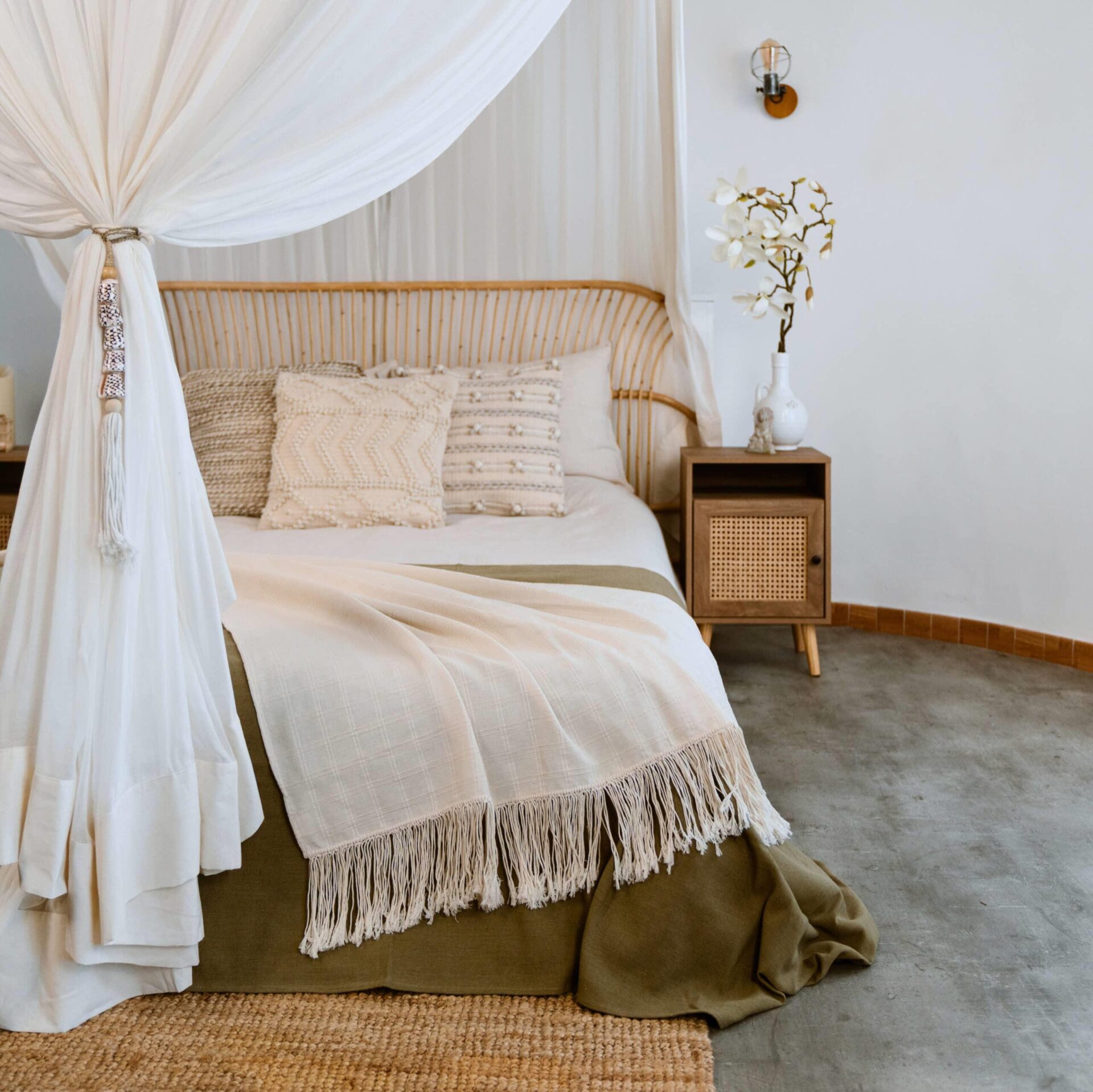
A home feels most comfortable when the objects inside it do more than simply perform a function. Materials, proportions, texture and the way an item has been made all influence the atmosphere of a room. That idea sits at the heart of Nusarah products, a collection shaped by craftsmanship, nature and a preference for considered design over mass production. From mosquito nets and hammocks to cushions, blankets and home fragrances, the focus is not on filling a space with more objects, but on choosing pieces that can bring softness, protection and visual calm to everyday living. Why materials change the feeling of a roomInterior design is often discussed in terms of colour, furniture and layout, yet material choice can be just as important. Cotton, canvas and other tactile fabrics soften hard architectural lines and add warmth that is difficult to create with synthetic-looking surfaces alone. The effect can be especially noticeable in bedrooms, where the atmosphere needs to support rest rather than stimulation. Natural materials also carry small variations in texture and finish. Those differences are part of their appeal. A hand-finished textile rarely looks as mechanically uniform as an industrial product, and that subtle irregularity can make a room feel more personal. This approach is closely connected to slow living. Instead of replacing accessories whenever a trend changes, the emphasis shifts toward objects that can remain relevant for years. Timeless design is therefore not only an aesthetic decision. It can also reduce unnecessary consumption by encouraging people to live with fewer, better-considered pieces. The mosquito net as part of the interiorA mosquito net is traditionally viewed as a practical barrier against insects, but its visual impact is much larger than its function suggests. Draped fabric introduces height, movement and softness around a bed. In a minimal bedroom, it can become one of the defining elements of the space without requiring additional furniture or decorative objects. The shape of the net matters. A round model with a single suspension point creates a relaxed, flowing silhouette, while a rectangular or square construction produces a more architectural appearance. Larger models can frame a double bed or box spring and create the feeling of a room within a room. In spaces with sloping ceilings or unusual walls, flexible suspension points can help preserve that sense of proportion. Fabric choice also influences the result. Cotton offers a soft and naturally breathable character, while finely woven polyester is lighter, smooth and highly shape-retentive. When the scale and colour are chosen carefully, the net can feel integrated with the bed linen, walls and surrounding furniture.
That combination of protection and atmosphere explains why mosquito nets can function as lifestyle pieces rather than purely seasonal accessories. Craftsmanship gives objects a different characterThere is a noticeable difference between products designed for anonymous mass production and objects made in smaller batches. Small-scale production allows greater attention to details such as seams, borders, suspension points and finishing. It also creates room for specialist knowledge to remain part of the manufacturing process. Nusarah works with artisans in Bali, where mosquito nets are cut, sewn and checked by hand in its own atelier. The brand’s background in fashion and design is reflected in the attention given to proportions and finishing. Cotton from Java, reinforced canvas and carefully selected woven fabrics are used according to the demands of each product. This type of production also has a human dimension. Skilled makers contribute directly to the finished object. For hammocks, cooperation with Fair Trade ateliers in India supports production under safe working conditions and with fair wages. Knowing where something comes from, which materials were selected and how it was made gives an everyday object context. That context is increasingly relevant in homes where people want design choices to reflect personal values as well as personal taste. Responsible design goes beyond the main materialSustainability is often reduced to one question: what is the product made from? In practice, responsible design involves a wider chain of decisions. Production volume, packaging, durability, leftover materials and what happens to unsold stock all contribute to the environmental impact of a collection. Small batch production helps limit overproduction because quantities can remain closer to actual demand. Reusing leftover fabric can further reduce waste. Long product life is equally important. A well-made item that remains useful for many seasons reduces the need for frequent replacement. Packaging is another area where seemingly minor decisions accumulate. Reusable cotton storage bags can protect textiles between seasons while replacing disposable plastic packaging. Recycled paper for hangtags and cotton packaging for mounting components extend the same principle into details that customers might otherwise overlook. Some material challenges do not have perfect solutions. Polyester offers practical advantages such as strength, low weight and shape retention, but it remains a synthetic material. A credible sustainability strategy therefore requires ongoing material development. Exploring recycled alternatives is one way to reduce dependence on newly produced plastic while preserving functional performance. Designing for indoor and outdoor livingThe boundary between indoor and outdoor living has become increasingly fluid. Patios, balconies and pergolas are often treated as extensions of the home, with textiles and furniture chosen to create the same comfort found indoors. Products designed for these spaces need to balance atmosphere with resistance to changing conditions. Outdoor mosquito nets illustrate that balance well. Reinforced polyester can provide the lightness needed for draping while remaining practical in an exterior environment. Durable canvas borders add strength at points that experience more tension. Around a terrace or pergola, this creates a defined area for dining, reading or resting while providing insect protection during warm evenings. Hammocks, cushions and blankets can build on that same sense of comfort. A combination of soft textiles and robust construction makes an outdoor area feel intentional rather than temporary. Repeated natural textures and calm tones are often enough to connect different elements. Rest is also shaped by sensory detailsA relaxing environment is not created by appearance alone. Touch, scent, airflow and the way fabric moves all contribute to the experience of a room. This is why home decor works best when objects relate to one another rather than being selected in isolation. In a bedroom, breathable textiles and an uncluttered arrangement can support a sense of openness. A mosquito net can soften the sleeping area, while a throw or cushion adds texture at a lower level. Fragrance can introduce another layer through incense or a subtle cleansing ritual. None of these elements needs to be overpowering. Their strength lies in repetition and restraint. Handmade tassels, for example, can keep the openings of a mosquito net arranged neatly while adding texture and character. Because they serve both a decorative and practical purpose, they avoid the feeling of decoration for decoration’s sake. Choosing objects that can stayA calmer interior does not require a complete redesign. Often, the most effective changes come from reconsidering the objects that already occupy the most visual space. The bed is a natural starting point because it dominates many bedrooms. Framing it with fabric, simplifying the surrounding accessories and choosing materials with a consistent character can change the room without changing its architecture. Durability deserves attention at the moment of selection. Strong construction, appropriate materials and reusable components can extend the useful life of a product. Care matters too. Airing textiles regularly, following the washing instructions and storing delicate fabrics in a breathable cotton bag can help preserve their structure and appearance. There is also value in choosing pieces that can move with you. A textile accessory may work in a bedroom today and in a guest room later. A hammock can shift between garden and terrace. Cushions and blankets can be combined differently as the interior changes. This flexibility reduces the pressure to replace entire collections whenever a space evolves. A home with fewer distractionsRefined interiors are not necessarily the ones with the most decoration. They are often the spaces in which materials, function and atmosphere support one another. Handcrafted textiles, thoughtful insect protection and natural textures can create visual interest without introducing clutter. When every object has a reason to be present, the room can feel richer precisely because it contains less noise. This is where craftsmanship and responsible production meet interior design. The story behind an object does not have to be visible at first glance, but it can shape how that object is valued and used over time. Ethical production, small batches, reusable packaging and carefully chosen materials become part of the experience rather than separate marketing claims. For people creating a bedroom, terrace or quiet corner for rest, the most useful question may not be which trend to follow next. It may be which materials feel good, which objects serve more than one purpose, and which pieces are likely to remain welcome in the space for years. That slower approach leaves room for personality while keeping the overall atmosphere calm, tactile and connected to nature. |